
26/10/2014
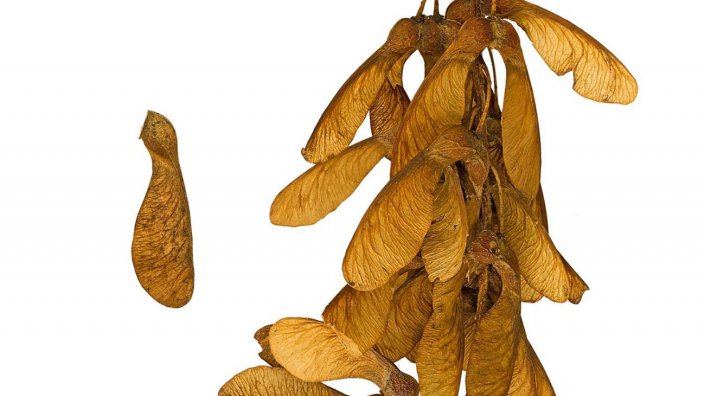
Unfortunately we seem to be at the height of Atypical Myopathy season with two cases in our clients' horses this weekend.
Many of you will know it as "that sycamore seed disease" and there is no doubt that ingestion of the seeds is strongly implicated. We have noticed the incidence of this disease often seems to peak at October half term, especially when we have a windy spell that brings down a lot of seeds. Recent research suggests it is caused by a toxin caused Hypoglycin A which is present in the seeds. The concentration of Hypoglycin A varies and not all horses seem to eat the seeds, so some horses grazing fields contaminated with sycamore seeds are unaffected whilst others become ill.
It is worth minimising access to sycamore seeds whenever possible because this condition is highly fatal. Unfortunately because sycamores are common and the seeds blow for great distances this can be very difficult. You should be especially vigilant if:
(1) It has been diagnosed on your premises previously.
(2) You have high densities of the seeds on the pasture.
(3) You observe your horse eating them.
Good strategies to reduce the risk are not easy but you could:
(1) Fence off the worst affected parts of paddocks
(2) Provide supplementary feeding with hay to reduce grazing
(3) Pick up the seeds with a paddock vacuum.
If you have some fields that always have large number of seeds in them you may want to consider your grazing management throughout the year so that those fields are not used in the autumn. If you are putting in new fences you should consider dividing off the areas that are worst affected so that you can control the risk more easily.
Affected horses need aggressive treatment at the first opportunity and so it is important to know the typical signs. The onset of the disease is often swift and horses show weakness, stiffness, muscle tremors, collapse, dark brown urine or difficulty swallowing and breathing. Affected horses rarely have a raised temperature and often feel cold.
If you have concerns about Atypical Myopathy please feel free to speak to any of our vets.